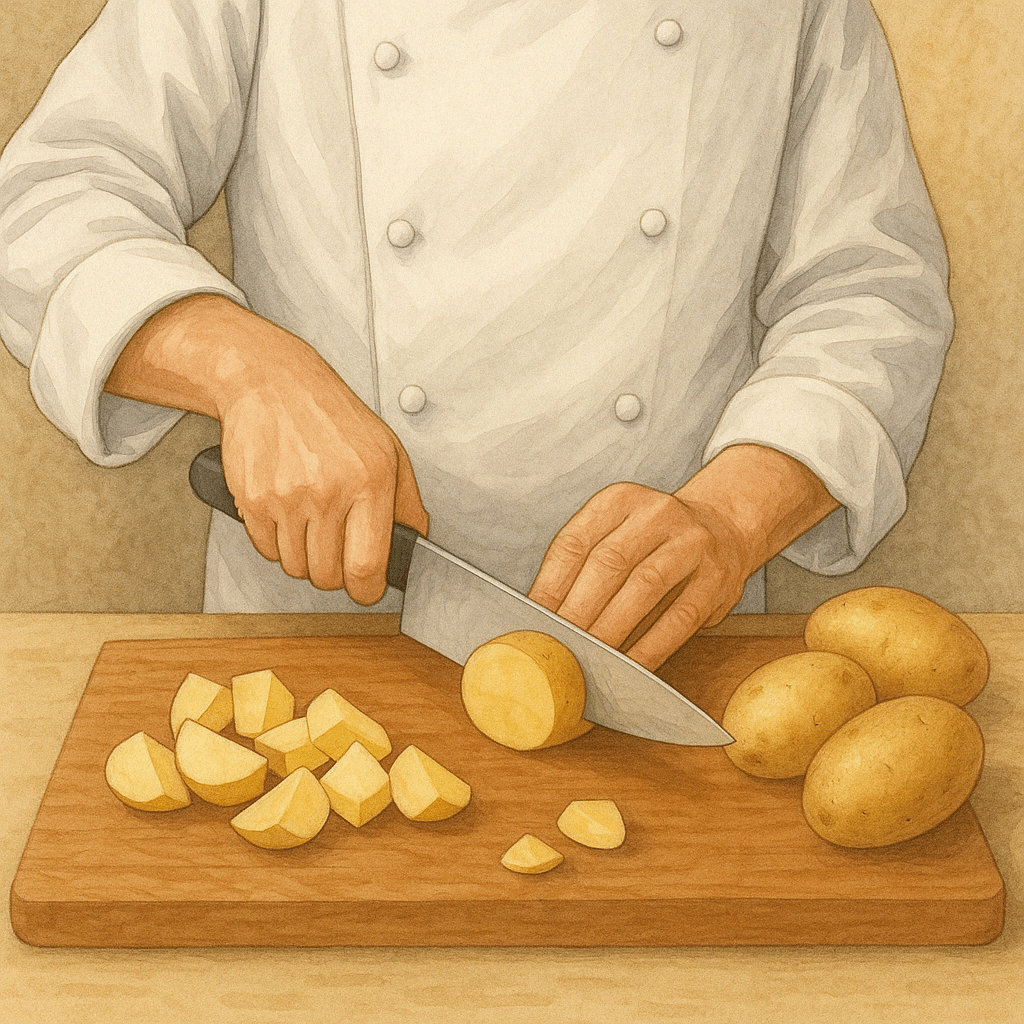
A Guide to Understanding Different Types of Potatoes for Every Dish
When it comes to potatoes, there’s much more than meets the eye. Whether you’re mashing, baking, frying, or roasting, choosing the right type of potato can elevate your dish from good to great. Each variety of potato has distinct characteristics that make it perfect for certain cooking methods, and understanding these differences is essential for every home cook. Let’s dive into the world of potatoes, compare and contrast the different types, and explore how each one shines in the kitchen.
1. Russet Potatoes (Idaho Potatoes)
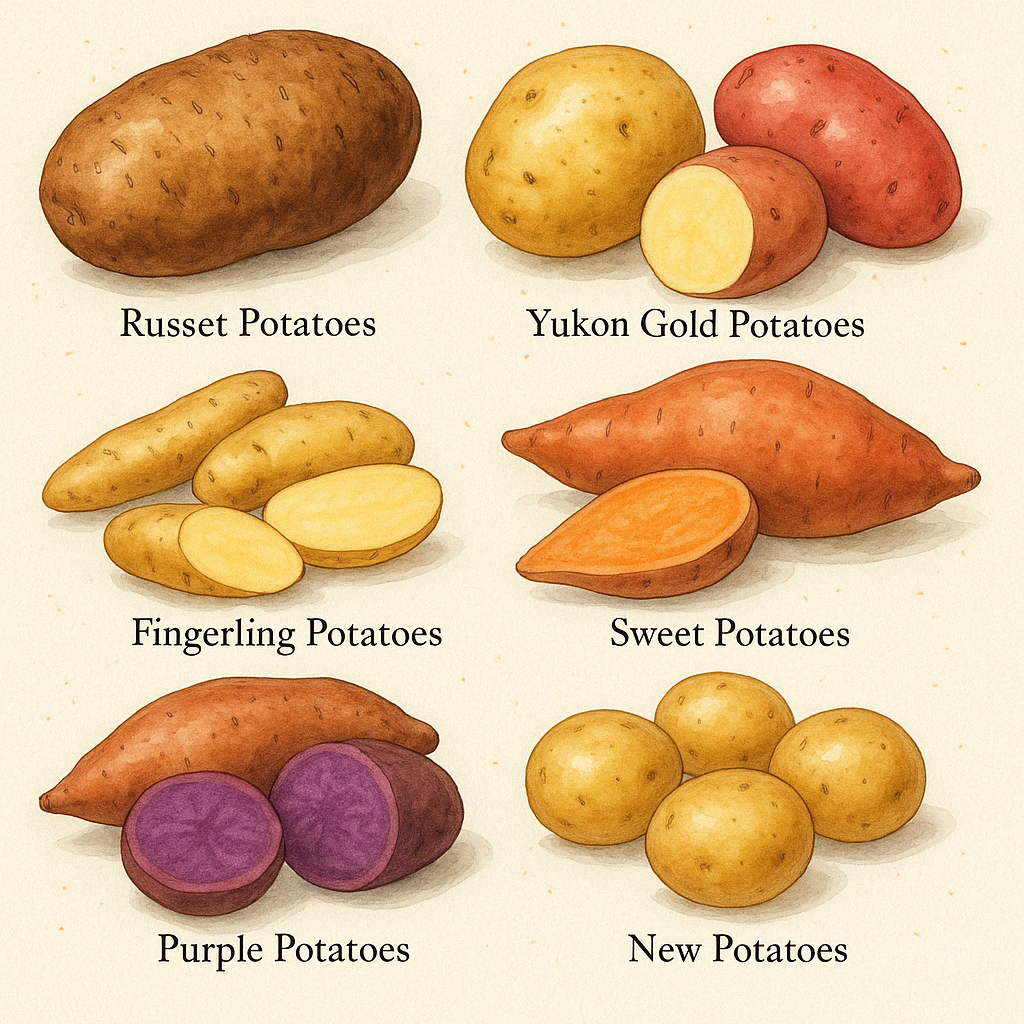
These iconic potatoes are often referred to as “baking potatoes” and for good reason. Russets are large, with a rough, brown skin and white, fluffy flesh. The high starch content makes them perfect for baking, frying, and mashing. When baked, Russets have a soft, fluffy interior that pairs beautifully with a dollop of sour cream, cheese, or chives. They are also the go-to choice for crispy French fries, as they hold their shape well when fried and develop a crunchy, golden exterior.
Best Uses: Baked potatoes, mashed potatoes, French fries, potato wedges
2. Yukon Gold Potatoes
Yukon Gold potatoes are known for their creamy texture and slightly buttery flavor. Their smooth, yellow skin and yellow flesh make them a favorite for mashed potatoes. Unlike Russets, which tend to be drier and fluffier when mashed, Yukon Golds have a natural creaminess that allows them to mash up with minimal added butter or cream. These versatile potatoes also hold their shape well when boiled or roasted, making them a great choice for potato salads or roasted vegetable mixes.
Best Uses: Mashed potatoes, roasted potatoes, potato salad, soups, and stews
3. Red Potatoes
Red potatoes are small to medium-sized potatoes with smooth, red skin and white flesh. Their waxy texture means they retain moisture and hold their shape when cooked. This makes them the perfect choice for dishes that require potatoes to stay intact, such as potato salads or roasted potatoes. Red potatoes also have a slightly sweeter flavor compared to other varieties, making them a great complement to hearty meats like roast chicken or pork.
Best Uses: Potato salad, roasted potatoes, boiled potatoes, soups, and stews
4. Fingerling Potatoes
Fingerling potatoes are small, elongated potatoes with a firm, waxy texture. Their thin skin comes in a variety of colors, from golden to red to purple. These potatoes are prized for their nutty, earthy flavor and their ability to retain their shape after cooking. They’re ideal for roasting or sautéing, and their unique shape makes them a great addition to gourmet-style dishes.
Best Uses: Roasted potatoes, sautéed potatoes, salads, and side dishes
5. Sweet Potatoes
While not technically a true potato, sweet potatoes deserve a spot on this list due to their versatility and popularity. Sweet potatoes have a deep orange flesh and a slightly sweet, earthy flavor. They come in two main varieties: the traditional orange-fleshed sweet potato and the lighter, firmer white-fleshed sweet potato. Sweet potatoes are incredibly nutritious and can be used in both savory and sweet dishes. They are excellent for baking, roasting, or mashing and pair wonderfully with spices like cinnamon and nutmeg.
Best Uses: Baked, mashed, roasted, sweet potato fries, casseroles, and pies
6. Purple Potatoes
Purple potatoes have striking purple skin and deep purple flesh, making them a colorful addition to any dish. They are often a waxy variety, similar to red potatoes, and retain their shape when cooked. While they have a slightly nutty flavor, purple potatoes are more commonly appreciated for their visual appeal, adding vibrant color to salads, roasted dishes, or potato gratins.
Best Uses: Roasted potatoes, salads, potato gratins, and chips
7. New Potatoes
New potatoes are young potatoes that are harvested before they reach full maturity. These small potatoes come in a variety of colors, including red, yellow, and white. Their thin skins and waxy texture make them ideal for boiling and tossing in butter or olive oil for a simple, flavorful side dish. New potatoes have a naturally sweet flavor and are often used in springtime dishes or for lighter potato salads.
Best Uses: Boiled potatoes, potato salads, roasted potatoes, side dishes
How to Choose the Right Potato for Your Recipe
When choosing a potato, consider the texture you want in your dish. Starchy potatoes like Russets are ideal for dishes that require fluffiness and crispiness, such as mashed potatoes or French fries. Waxy potatoes, like Red or Yukon Golds, hold their shape better and are perfect for boiling or roasting. For a unique twist, try Fingerling or Purple potatoes for their distinct shapes and vibrant colors.
Conclusion?
Whether you’re preparing a simple side dish or a gourmet meal, the type of potato you use can make all the difference. Understanding the characteristics of each variety will help you make the right choice for your recipe and ensure the best results in the kitchen. So next time you reach for potatoes, keep in mind the variety that suits your cooking method, and enjoy the delicious flavors they bring to your table.
Enjoy Bramble & Butter Magazine?
Consider making a one-time donation to keep us going!
Make a monthly donation
Make a yearly donation
Choose an amount
Or enter a custom amount
Your contribution is appreciated.
Your contribution is appreciated.
Your contribution is appreciated.
DonateDonate monthlyDonate yearly

 Bramble & Butter Magazine
Leave a comment