A Guide to Essential Kitchen Tools
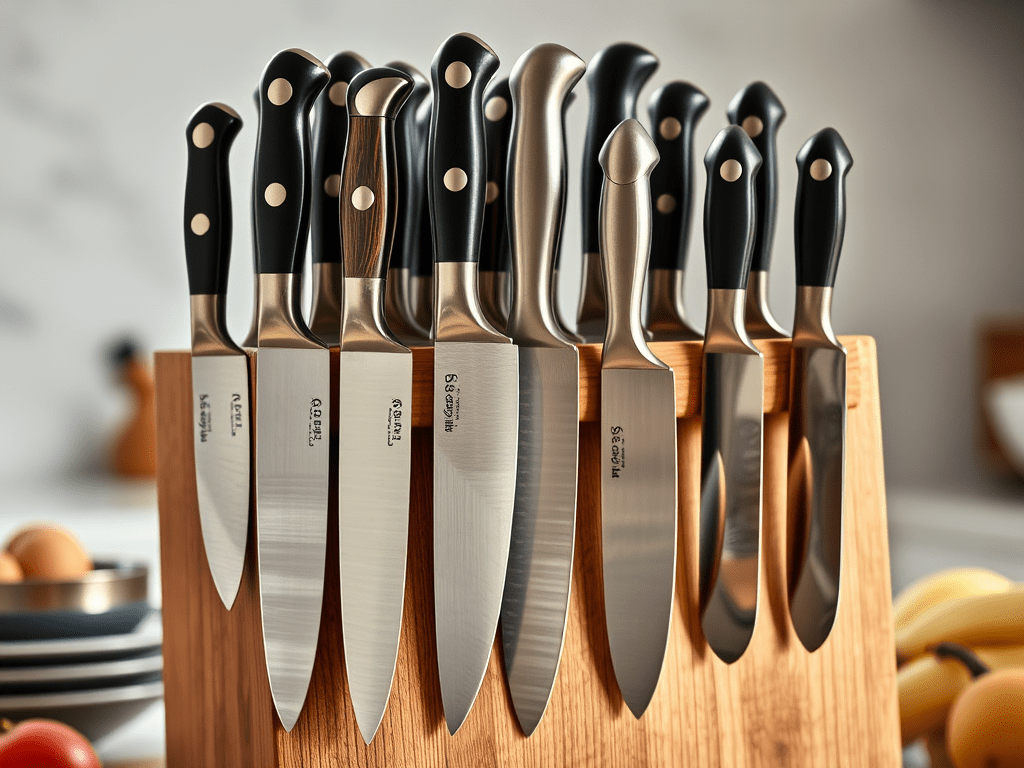
A chef’s knife is the most essential tool in the kitchen, but not all knives are created equal. Different knives serve specific purposes, and knowing when and how to use each one can elevate your cooking and make meal preparation much more efficient. From slicing vegetables to carving meat, each knife has a unique design and function that makes it the best tool for the job. Here’s a guide to the most common kitchen knives and their uses, ensuring you’re equipped with the right blade for every task.
1. Chef’s Knife
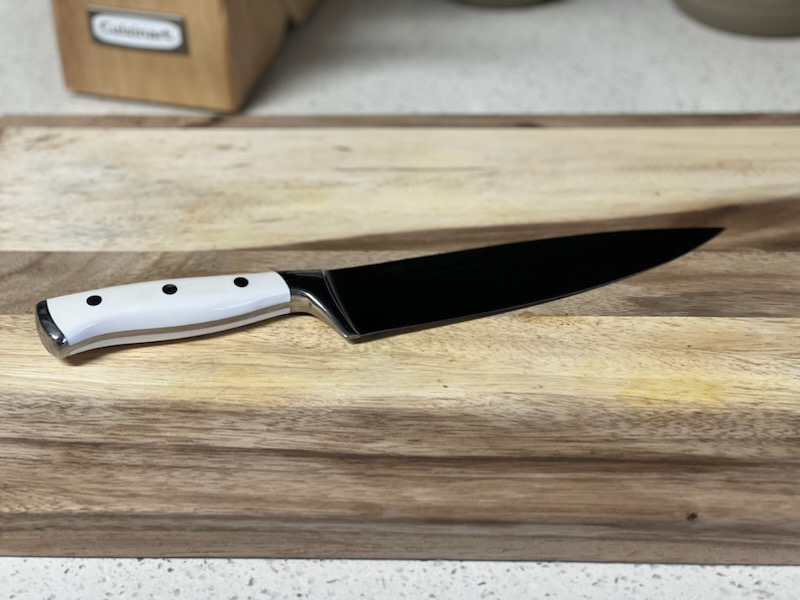
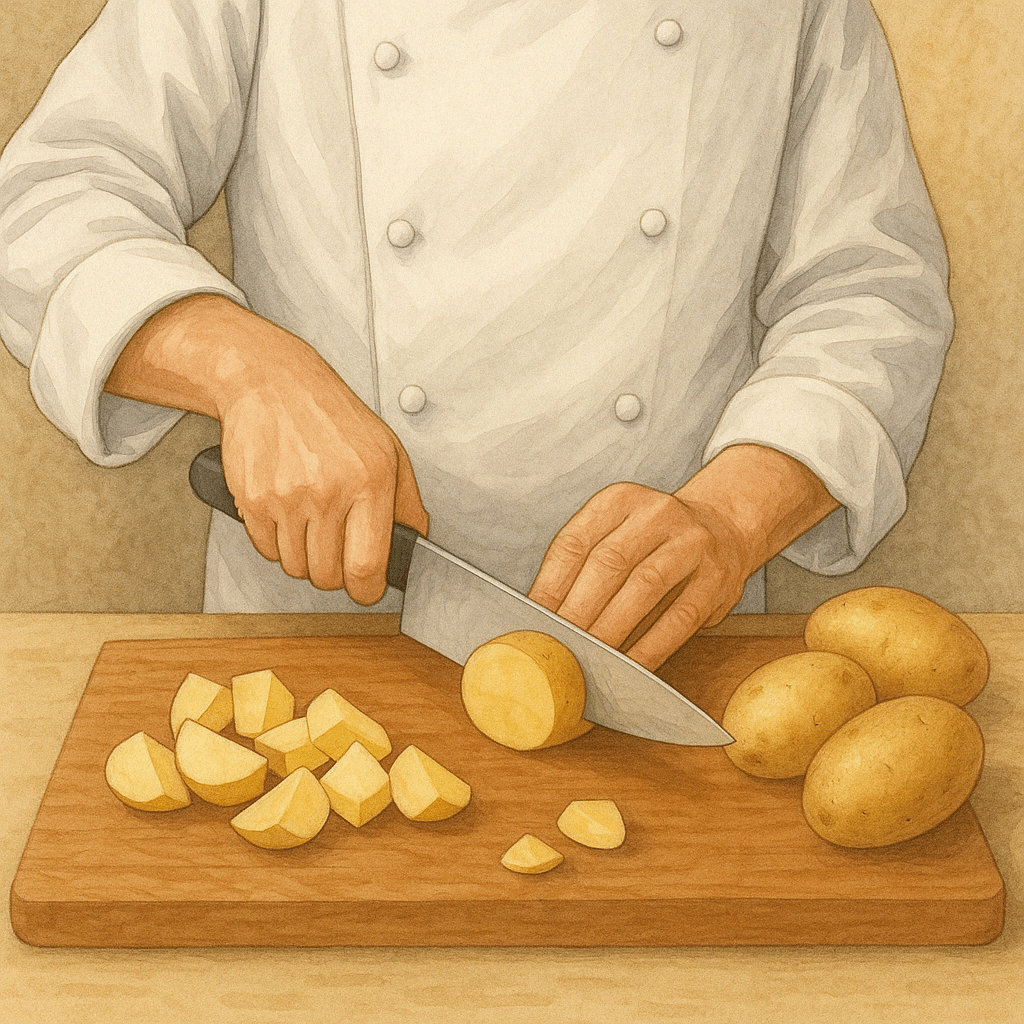
The all-star of the kitchen, the chef’s knife is the versatile workhorse you’ll find in almost every kitchen. With a broad, curved blade, it’s perfect for chopping, dicing, mincing, and slicing a wide range of ingredients, from vegetables to meat. A good chef’s knife is generally 8 to 10 inches long, offering ample length for most tasks without being unwieldy. Its ability to perform multiple functions makes it a must-have in any kitchen.
Best for: Chopping, slicing, dicing, mincing.
2. Paring Knife
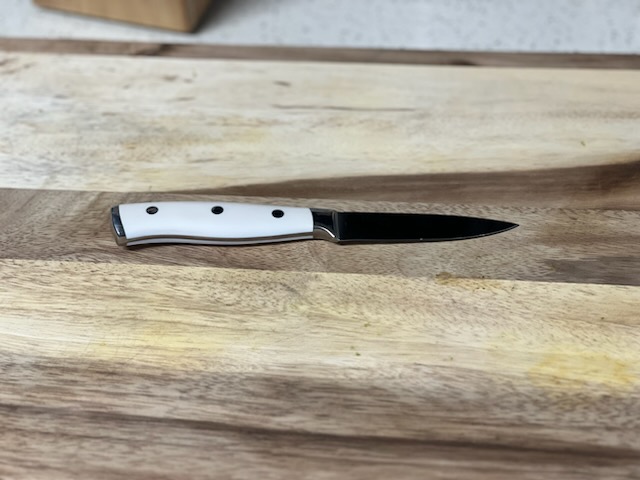
Smaller and more delicate than the chef’s knife, the paring knife is typically 3 to 4 inches in length. Its pointed tip and thin blade allow for precision work, making it perfect for peeling, trimming, and intricate tasks like deveining shrimp or segmenting citrus fruits. Its nimbleness offers greater control when working on small, delicate ingredients.
Best for: Peeling, trimming, coring, and other fine tasks.
3. Santoku Knife
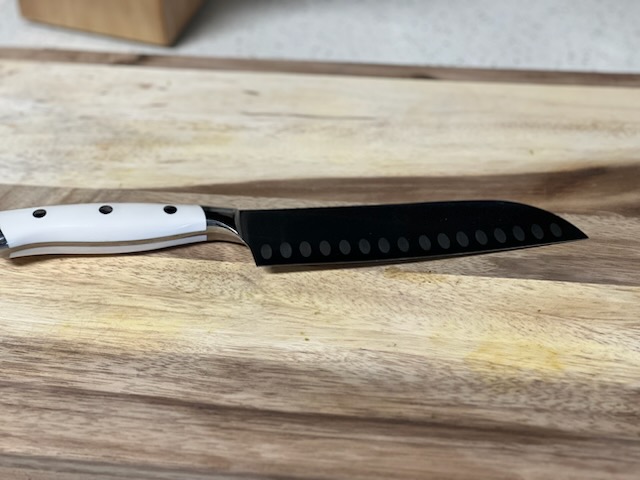
A Japanese-inspired knife, the santoku is similar to a chef’s knife but has a shorter, wider blade with a flatter edge. Often characterized by a “Granton edge” (small indentations along the blade), the santoku is designed to reduce drag when cutting. It’s excellent for slicing, dicing, and mincing, especially with softer ingredients. The santoku’s design makes it particularly well-suited for those who prefer a slightly smaller, lighter blade.
Best for: Slicing, dicing, mincing (particularly for vegetables and fish).
4. Bread Knife
With its long, serrated edge, the bread knife is designed to slice through bread without crushing it. Its serrations make it easy to cut through crusty loaves and delicate cakes, maintaining the integrity of the crumb inside. While it’s most commonly used for bread, it can also be used for slicing soft-skinned fruits like tomatoes or even cakes with tough outer layers.
Best for: Slicing bread, cakes, tomatoes, and other delicate items with tough exteriors.
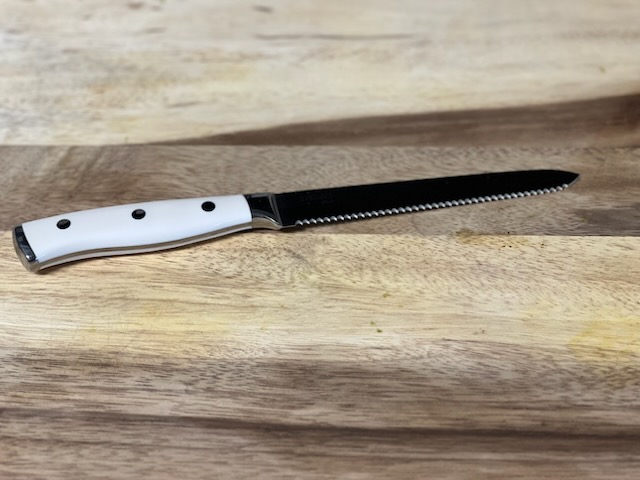
5. Utility Knife
The utility knife is a mid-sized knife, usually around 6 inches in length. It offers more control than a chef’s knife while being more versatile than a paring knife. Often used for tasks that require precision but aren’t as intricate as those suited for a paring knife, the utility knife is ideal for slicing meats, cutting sandwiches, and portioning fruits or vegetables.
Best for: General-purpose slicing, cutting sandwiches, and small to medium cutting tasks.
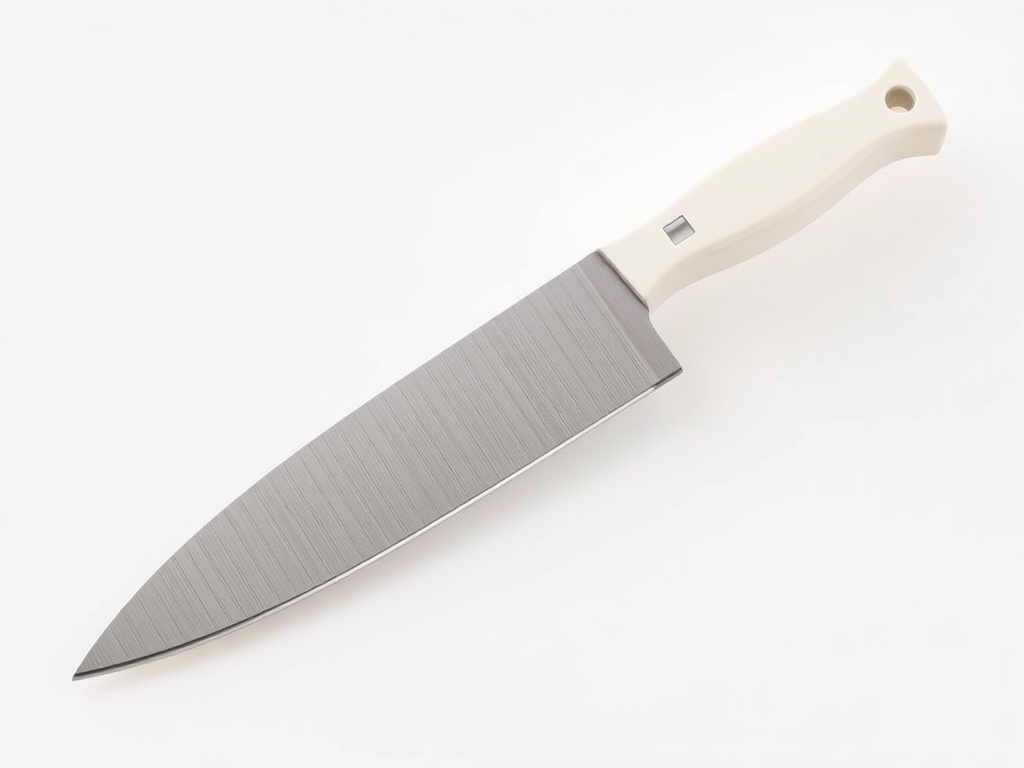
6. Boning Knife
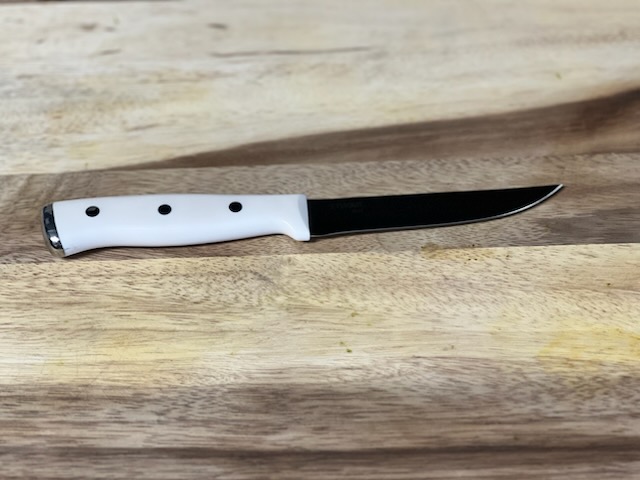
A boning knife has a thin, flexible blade designed to easily separate meat from bone. Its narrow design allows for precise cuts around bones and joints, making it perfect for filleting fish, deboning chicken, or removing sinew from cuts of meat. Boning knives come in two varieties: flexible and stiff, depending on the task at hand.
Best for: Removing bones from meat, filleting fish, trimming fat.
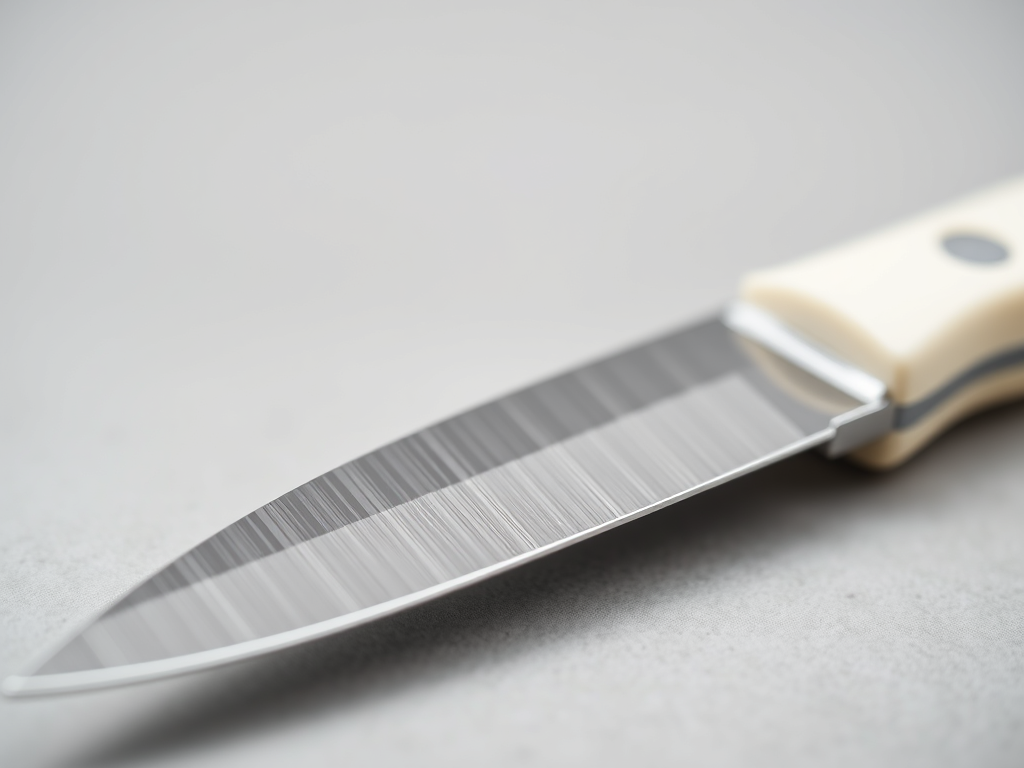
7. Cleaver
The cleaver is a heavy-duty knife with a broad, thick blade. It’s built to cut through bones, cartilage, and dense meats with ease. The cleaver’s weight allows it to do the hard work, while its flat blade is also useful for crushing garlic or tenderizing meat. While it’s a specialized tool, a cleaver is indispensable in butchery or when working with large cuts of meat.
Best for: Chopping through bones, butchering, tenderizing meat.
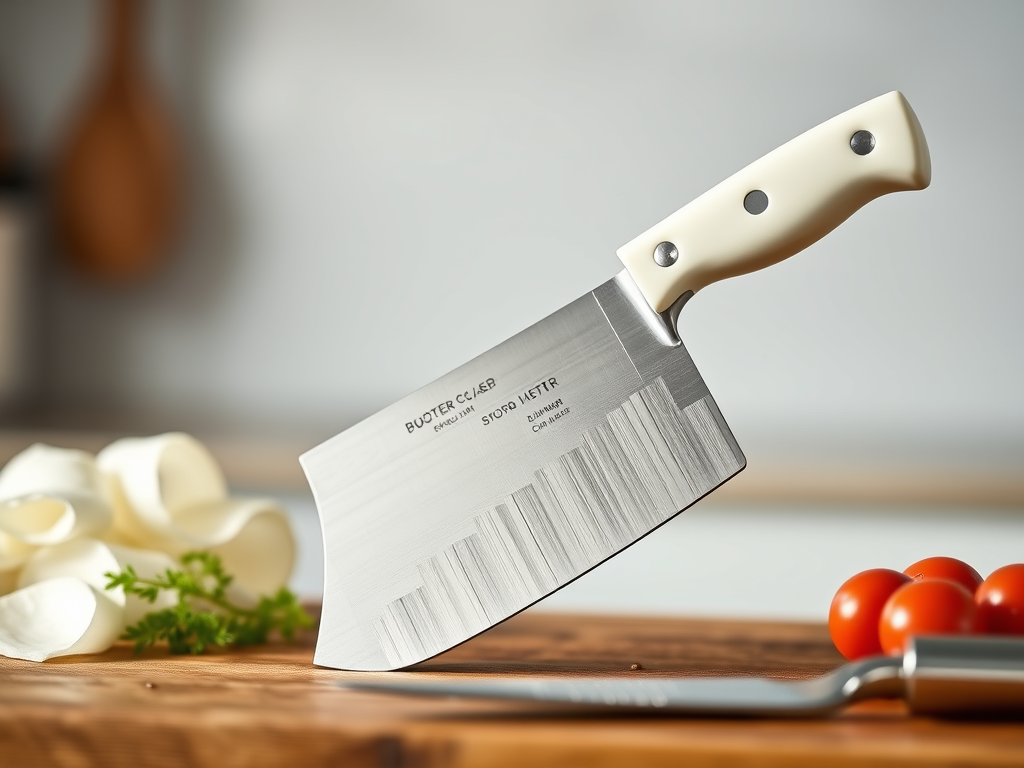
8. Carving Knife
Carving knives have long, thin blades designed for precise cuts of cooked meats like turkey, ham, and roast beef. The blade allows for clean slices, ensuring that meats are carved thinly and evenly. Often paired with a carving fork to hold the meat in place, this knife ensures that each slice is perfect for serving.
Best for: Carving roasts, turkey, ham, and large cuts of meat.
9. Fillet Knife
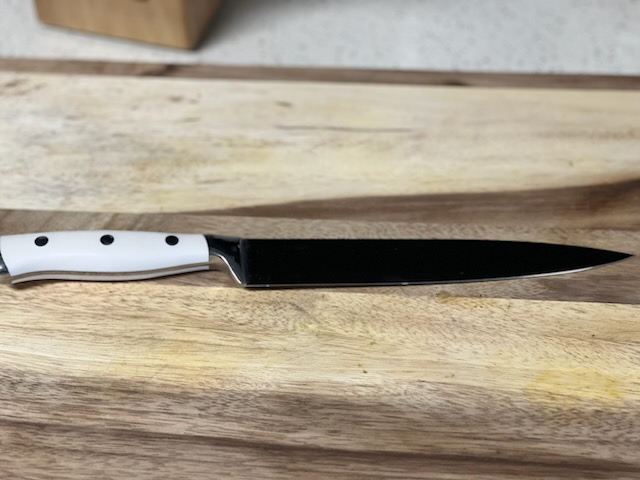
Like the boning knife, the fillet knife is designed specifically for working with fish. The long, flexible blade allows you to carefully remove skin and bones from delicate fish fillets without damaging the flesh. The flexibility of the blade provides maximum control, making it easier to work around bones and create perfect, smooth fillets.
Best for: Filleting fish, removing skin, deboning delicate cuts of meat.
10. Steak Knife
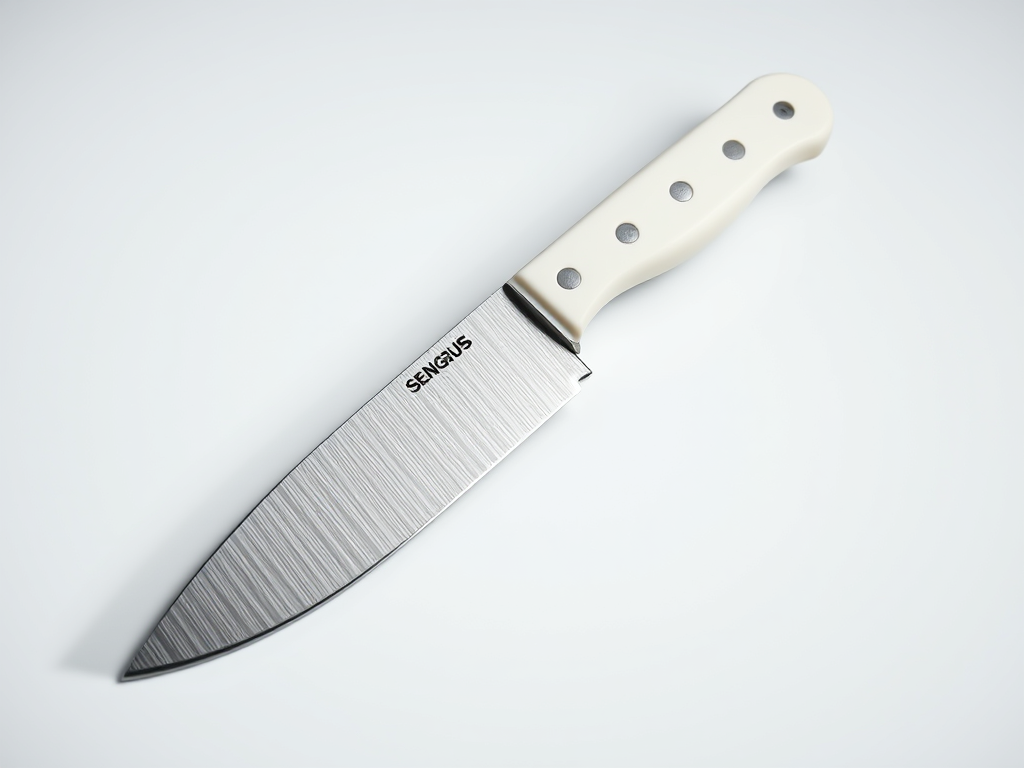
A steak knife is a small, sharp knife with a serrated or straight edge, perfect for cutting through cooked steaks and other meats. The serrated blade ensures that you can cut through thick cuts of meat without applying excessive force, making it a must-have for your dinner table or when serving dishes with hearty proteins.
Best for: Cutting steak, chops, and other meats at the dining table.
Choosing the Right Knife
Knowing your knives and their uses is the first step toward creating a more efficient and enjoyable cooking experience. Whether you’re preparing a delicate fruit salad or tackling a hearty roast, using the right knife can make all the difference. As you build your knife collection, invest in high-quality, durable options that suit your cooking style and preferences. Keep your knives well-maintained, and remember that a sharp knife is safer and more effective than a dull one.
In the end, it’s not about having a vast collection of knives; it’s about understanding which tool will get the job done right. With these essential knives in your arsenal, you’ll be prepared for anything the kitchen throws your way.



 Bramble & Butter Magazine
Leave a comment