
A Guide to Different Types of Lettuce
Lettuce may seem like a simple ingredient, often just a bed for your favorite salad toppings or the crunchy base of a sandwich. But the world of lettuce is much more diverse and exciting than it first appears. From the mild and tender to the bold and crunchy, the different types of lettuce each bring their own unique flavor, texture, and versatility to the plate. Here’s a breakdown of some of the most popular varieties of lettuce and how to best use them.
1. Romaine Lettuce
Romaine lettuce is one of the most recognizable and versatile varieties. Its long, crisp leaves and sturdy ribs make it the go-to lettuce for Caesar salads. The flavor is slightly bitter with a strong, refreshing crunch. Romaine is also a favorite in sandwiches and wraps, thanks to its ability to hold up well without wilting. It’s high in vitamins A and K, making it a nutritious choice to incorporate into your diet.
Best Uses: Caesar salads, sandwiches, wraps, grilled lettuce (try grilling the heads whole for a smoky flavor).
2. Iceberg Lettuce
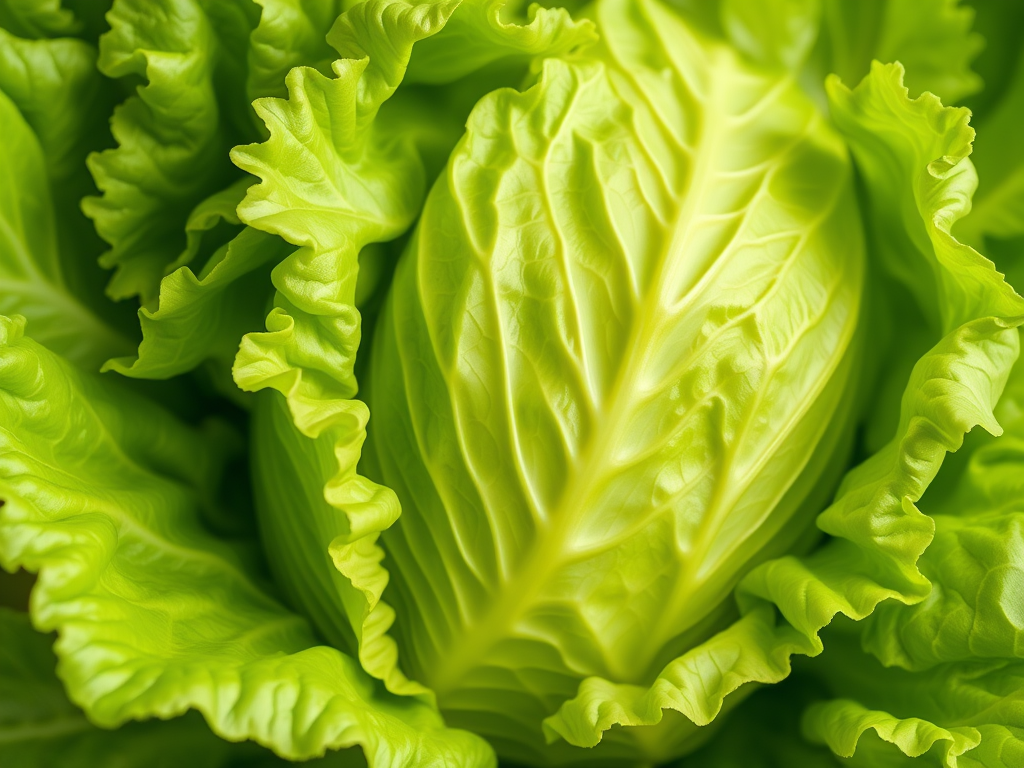
Perhaps the most iconic and widely available type of lettuce, iceberg is known for its bright, crunchy texture and mild flavor. While it doesn’t pack as much nutritional punch as some of its leafy cousins, its crispness and texture are perfect for adding bulk to salads and sandwiches without overpowering other ingredients. It’s often the lettuce of choice for a classic wedge salad or topped with ranch dressing.
Best Uses: Salads, burgers, tacos, sandwiches, wedge salads.
3. Butterhead Lettuce (Bibb and Boston)
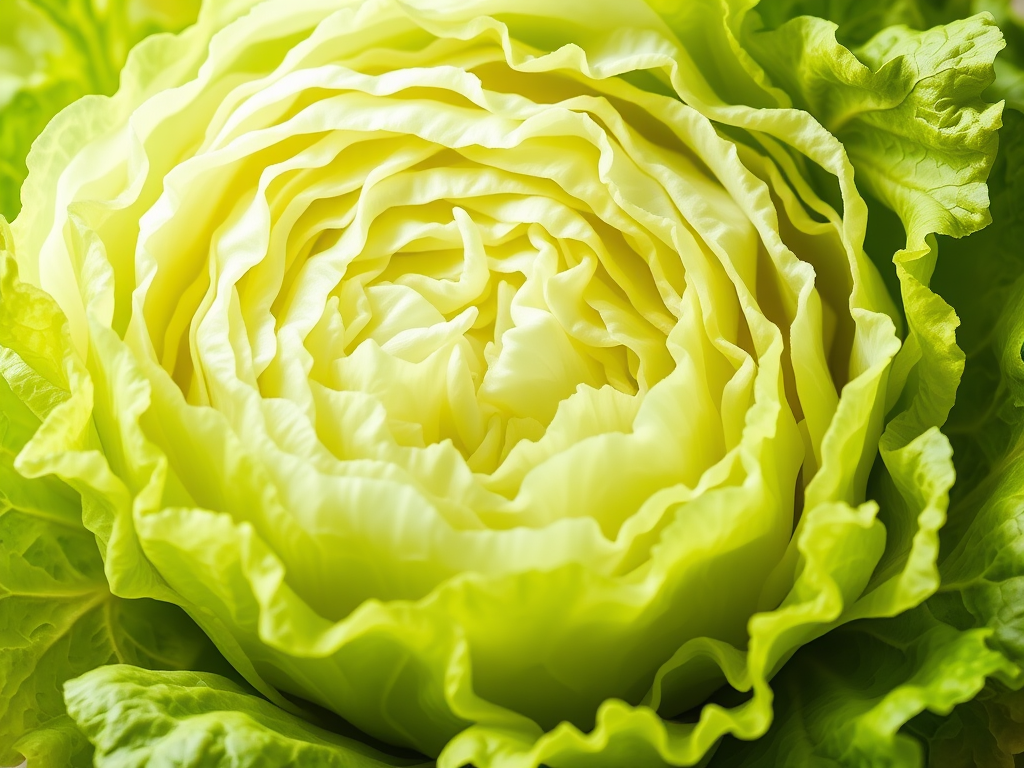
Butterhead lettuce is known for its soft, tender leaves that are shaped like a loose rosette. The leaves have a mild, buttery flavor with a delicate texture. It’s one of the most elegant lettuce varieties, often used in salads or as a garnish for lighter dishes. While its leaves are not as crisp as romaine or iceberg, they offer a silky feel that melts in your mouth.
Best Uses: Light salads, garnishes, sandwiches (especially paired with delicate proteins like chicken or fish), wraps.
4. Arugula (Rocket)
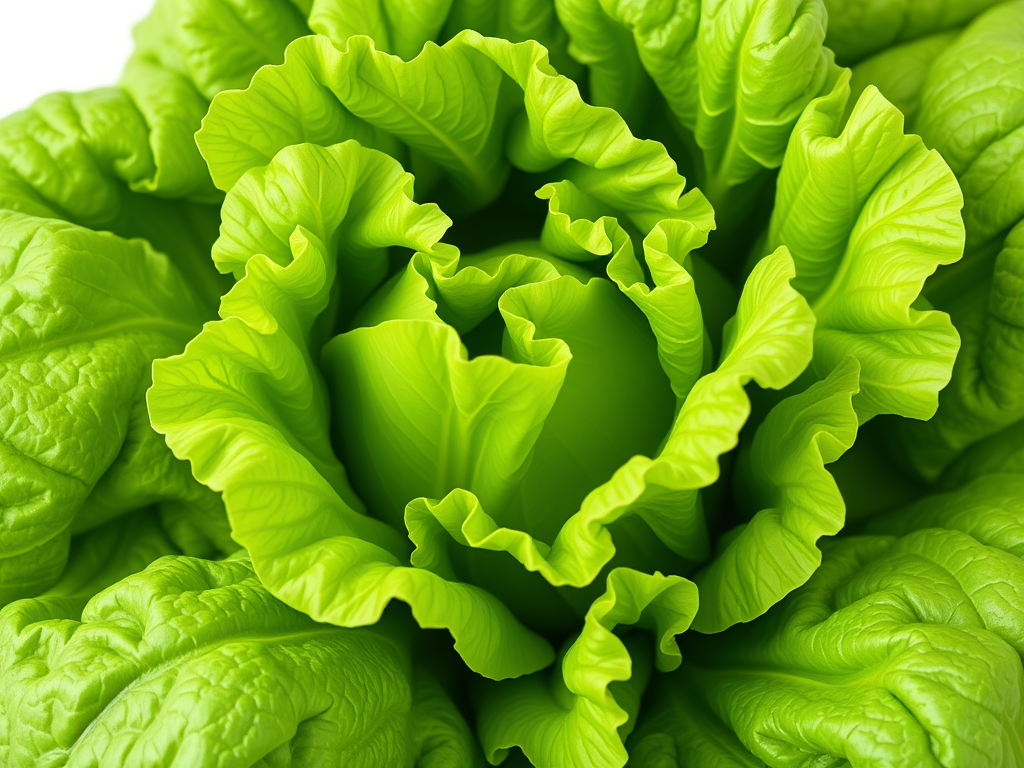
While not technically a true lettuce, arugula is often included in lettuce mixes due to its fresh, peppery flavor and slightly spicy bite. The dark green, jagged leaves add an entirely different flavor profile to salads compared to other lettuces. Arugula’s slightly bitter and mustard-like taste pairs well with sweet or tangy ingredients like balsamic vinegar, apples, or pomegranate.
Best Uses: Salads, pizza topping, sandwiches (especially with goat cheese or smoked meats), wraps, and as a topping for roasted vegetables.
5. Spinach
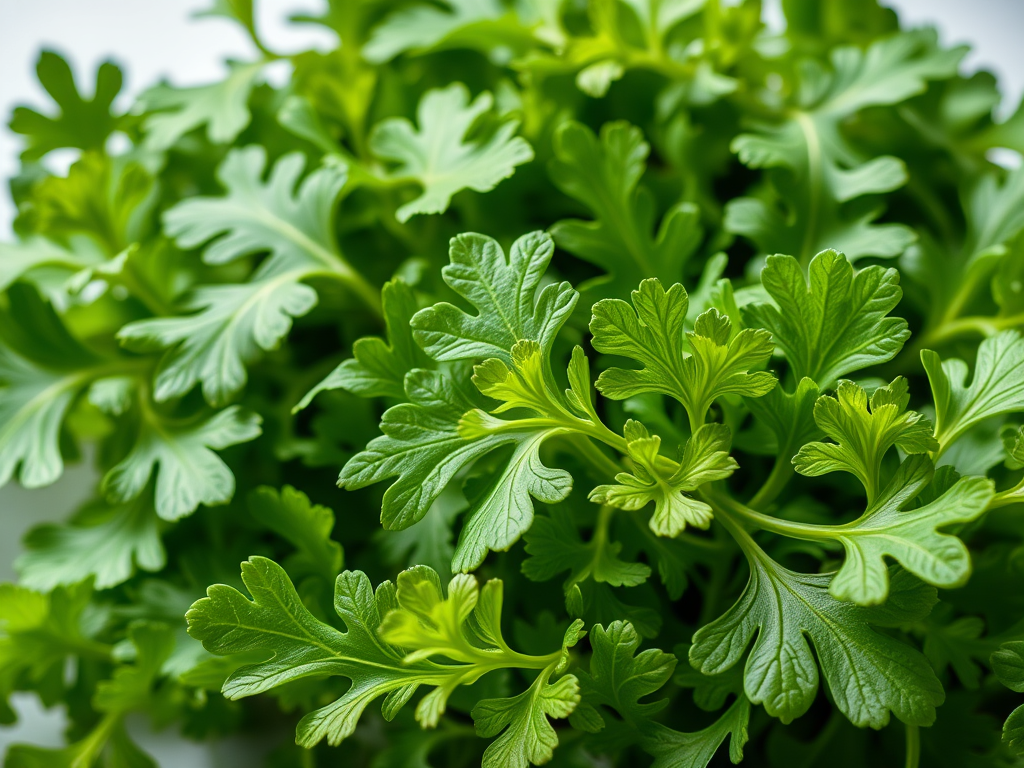
Another non-lettuce option that often gets tossed into lettuce-based salads, spinach is widely celebrated for its deep green color and slightly earthy flavor. Unlike lettuce, spinach is loaded with iron and antioxidants, making it a favorite for those looking to boost their nutrient intake. Baby spinach is especially tender, while mature spinach leaves can have a bit more texture and sometimes a slight bitterness.
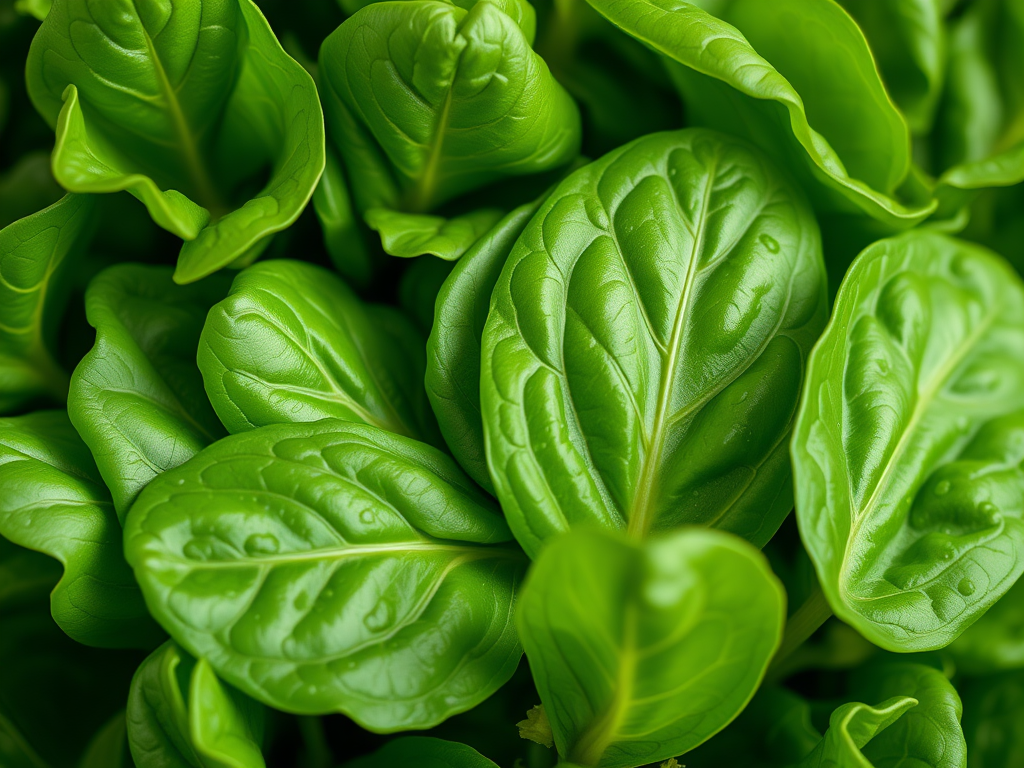
Best Uses: Spinach salads, smoothies, as a cooked green, in sandwiches, wraps, or sautéed as a side dish.
6. Radicchio
Radicchio is a red-leafed variety that has a distinctive, bitter flavor and vibrant color. It is a type of chicory, and its slightly spicy taste adds an exciting element to salads. When mixed with sweeter lettuces like butterhead or romaine, radicchio’s sharpness provides balance and depth. Its deep red-purple leaves often have white veins that make for an attractive visual contrast in dishes.
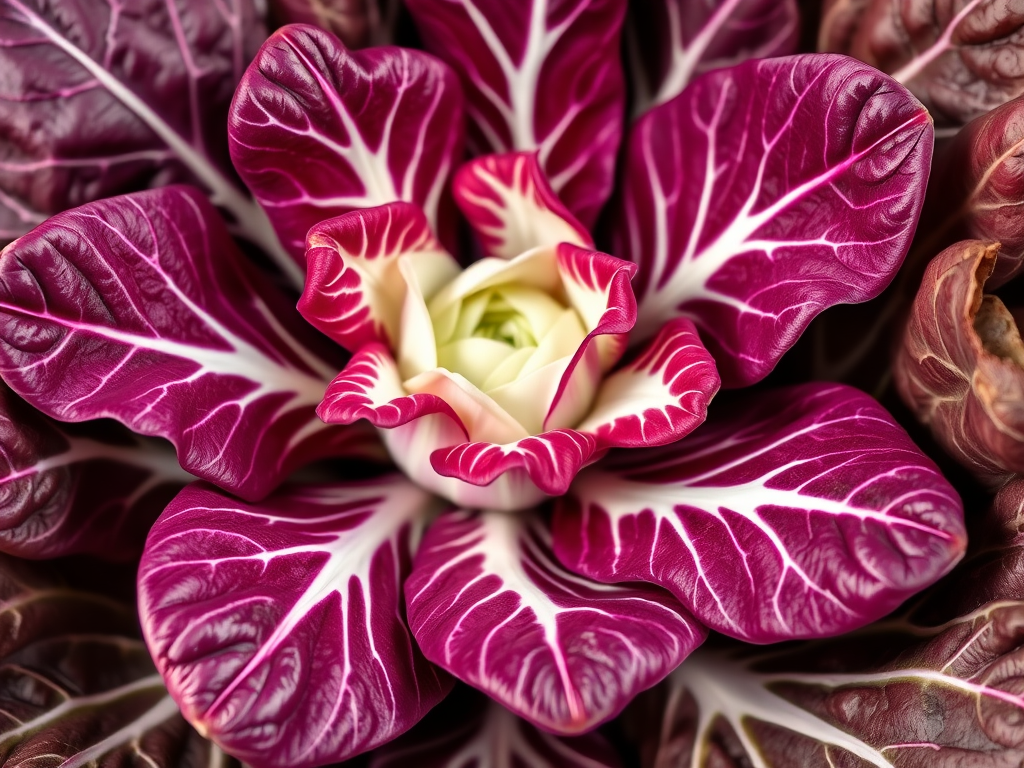
Best Uses: Salads (especially paired with balsamic or citrus-based dressings), grilled, mixed with milder greens, or used as a garnish.
7. Frisée (Curly Endive)
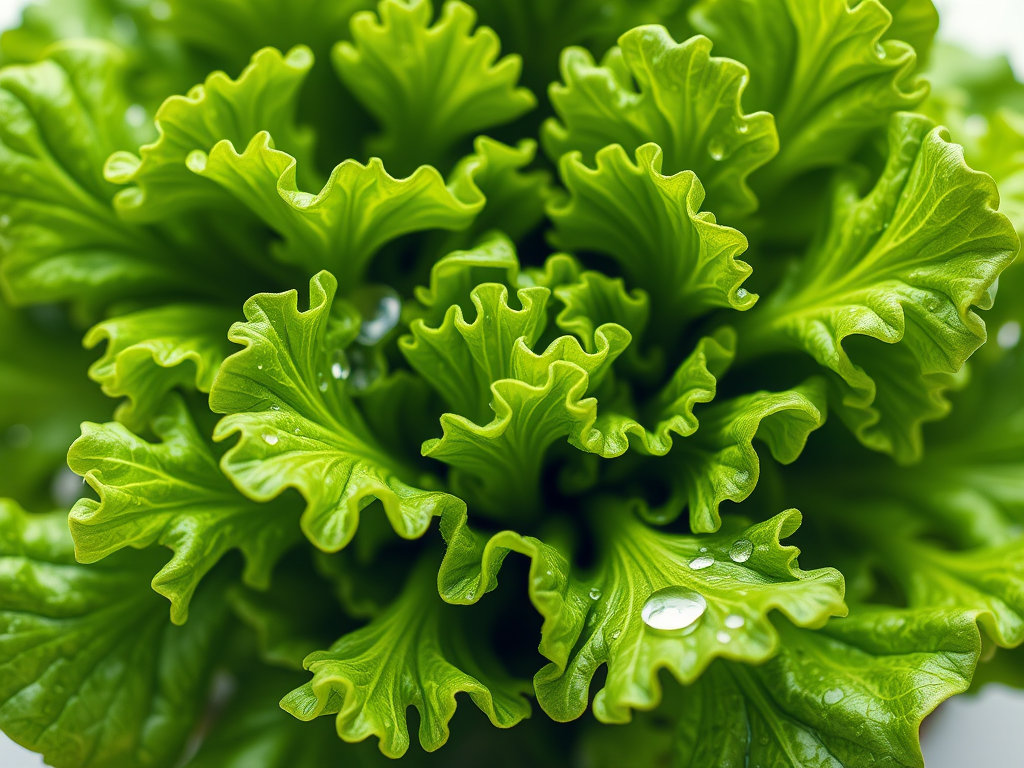
Frisée lettuce is known for its frilly, curly leaves that are both visually striking and bitter in flavor. Often used in French salads, it has a slightly peppery taste that pairs well with rich, fatty ingredients like bacon, eggs, or creamy dressings. The texture is slightly tougher than most lettuces, making it perfect for hearty salads that need a little more structure.
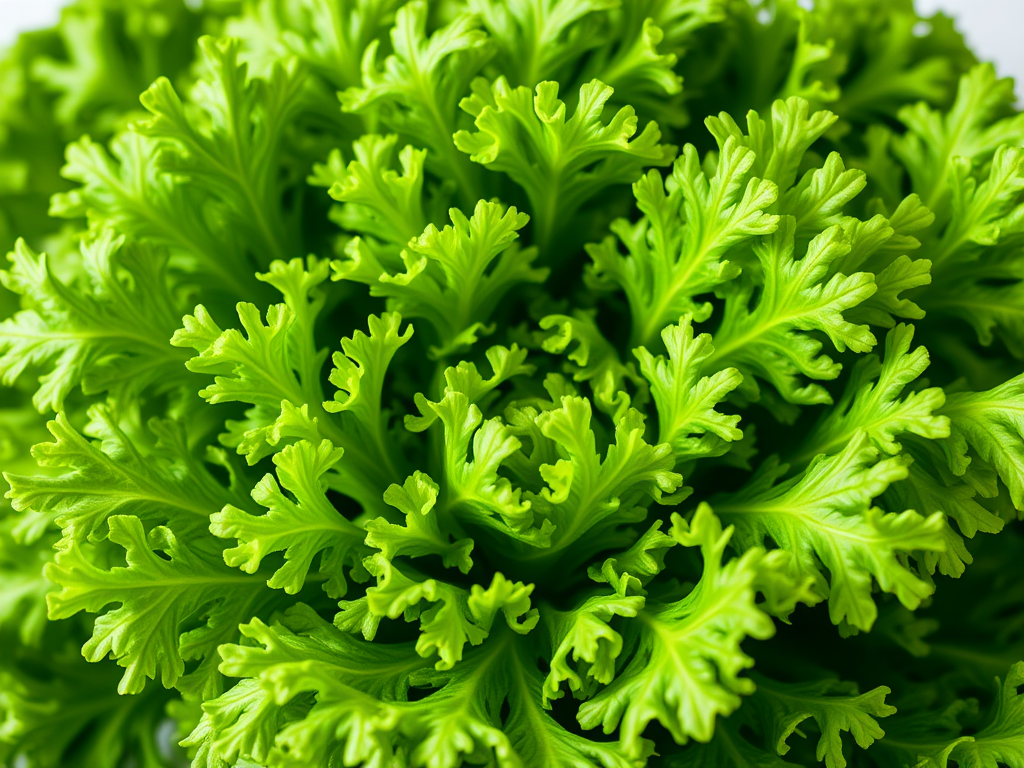
Best Uses: French-style salads, mixed greens, topped with warm ingredients like poached eggs, in frittatas or as an accompaniment to grilled meats.
8. Mâche (Lamb’s Lettuce)
Mâche, also known as lamb’s lettuce, has small, tender, rounded leaves with a mild, nutty flavor. It is often used in delicate salads due to its subtle taste and tender texture. While it’s a bit harder to find in typical grocery stores, it’s a fantastic addition to any salad mix for those seeking a milder, more refined flavor.
Best Uses: Light salads, paired with goat cheese, nuts, or fruits like pears and apples, or served with vinaigrette dressings.
9. Cress
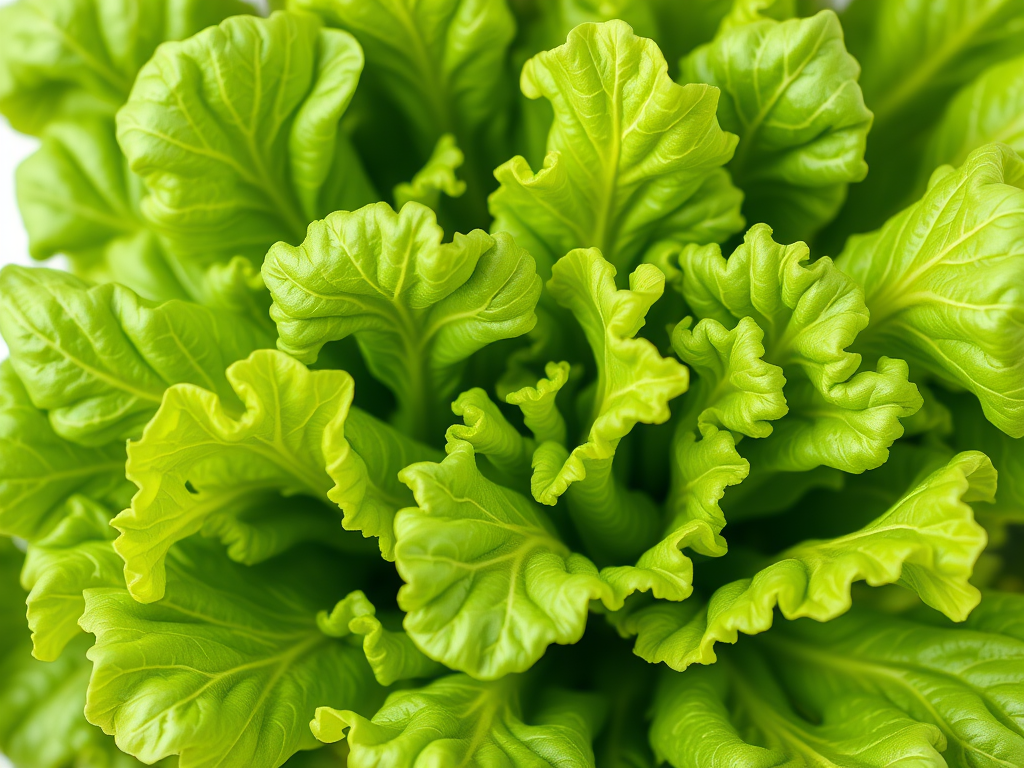
Like arugula, cress belongs to the mustard family and has a peppery flavor, but it’s much smaller and more delicate. The bright green leaves and stems are often used as garnishes or in small salads. Its zesty, almost mustard-like flavor adds a punch of heat, making it ideal for complementing more subdued ingredients.
Best Uses: Garnishes, mixed into salads, sandwiches, or as an addition to soups for a fresh, spicy flavor.
Conclusion?
Each variety of lettuce has its own distinct characteristics, and the key to choosing the right one lies in understanding the flavor and texture you desire. If you’re craving crunch, look to iceberg or romaine. For something milder and more delicate, butterhead or mâche are your best bet. If you’re seeking a peppery or bitter note to balance a rich dish, arugula, radicchio, or frisée are the perfect choices. Experiment with these lettuces to elevate your salads, sandwiches, or wraps, and enjoy the vibrant flavors and textures they bring to your plate.






 Bramble & Butter Magazine
Leave a comment